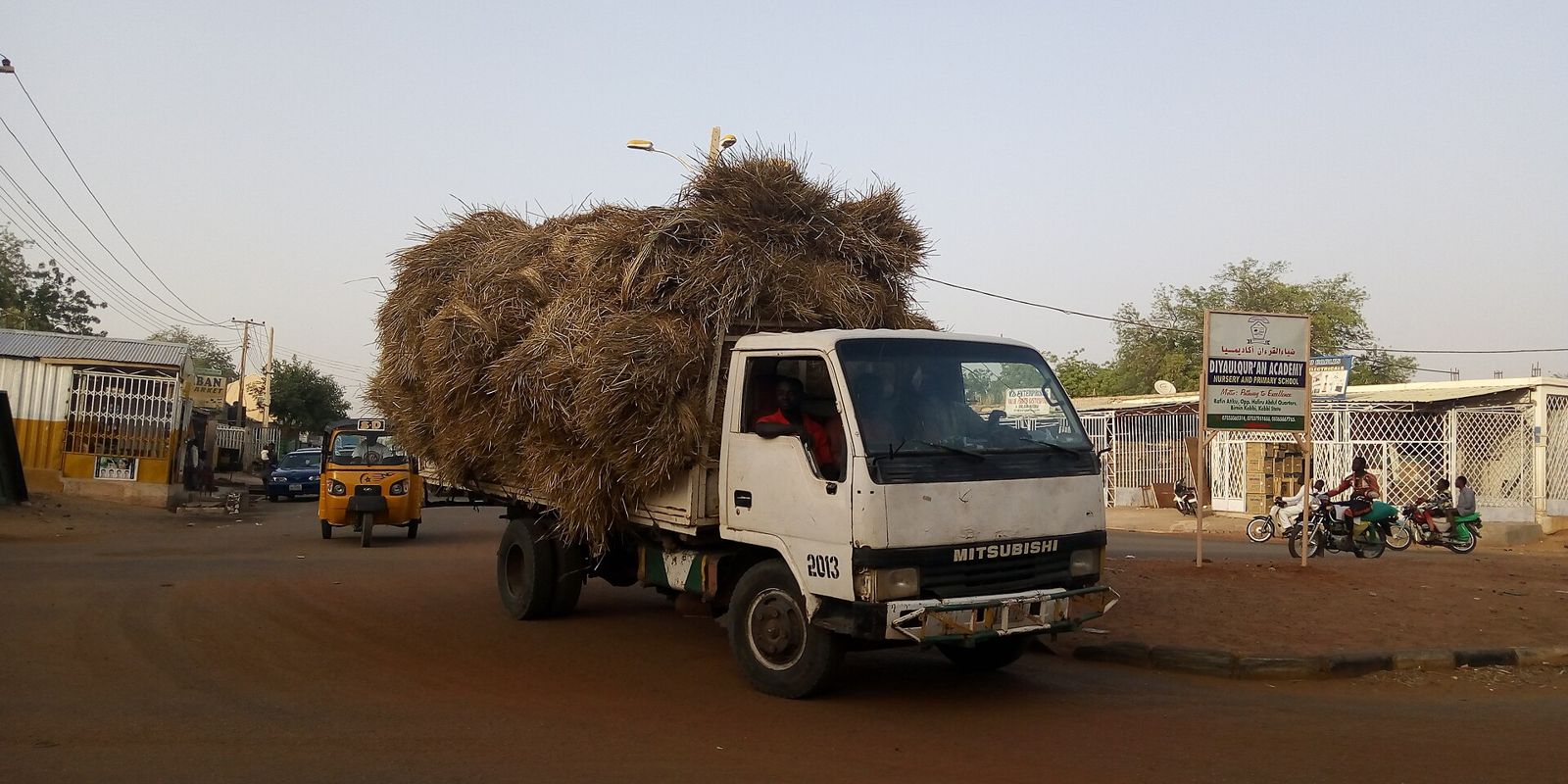
The wardrobe was strapped well. The mattress was covered. Then the third speed bump outside the estate came up faster than the driver expected, and the top box went through the back door of the truck. The customer did not remember the careful loading. They remembered the crash.
Roads in Lagos, Abuja and Ibadan will test every load you carry. Here is how experienced drivers protect a bulk move on the way.
Slow before the bump, not on it
Braking on the bump itself tips the weight forward and the load slams into the front. Slow down early, ease off the brake as you reach the bump, and roll over at walking pace.
The same goes for a big pothole or a broken culvert. Pick a line before you get there. Never swerve at the last second with tall furniture on the bed, because sideways movement is what makes tall loads shift.
Heavy low, light high, and nothing loose
A load that is loaded well is half protected already.
- Heavy items such as fridges, generators and cabinets sit low and near the cab.
- Fragile and light items such as lampshades and mirrors sit above or behind, but never loose.
- Tall items, like wardrobes, are tied at two heights.
- Every gap is filled with a mattress, a blanket or a bundle of cartons.
If you need a refresher, our guide on loading a van or truck efficiently covers the order of loading.
Tight straps, then check them
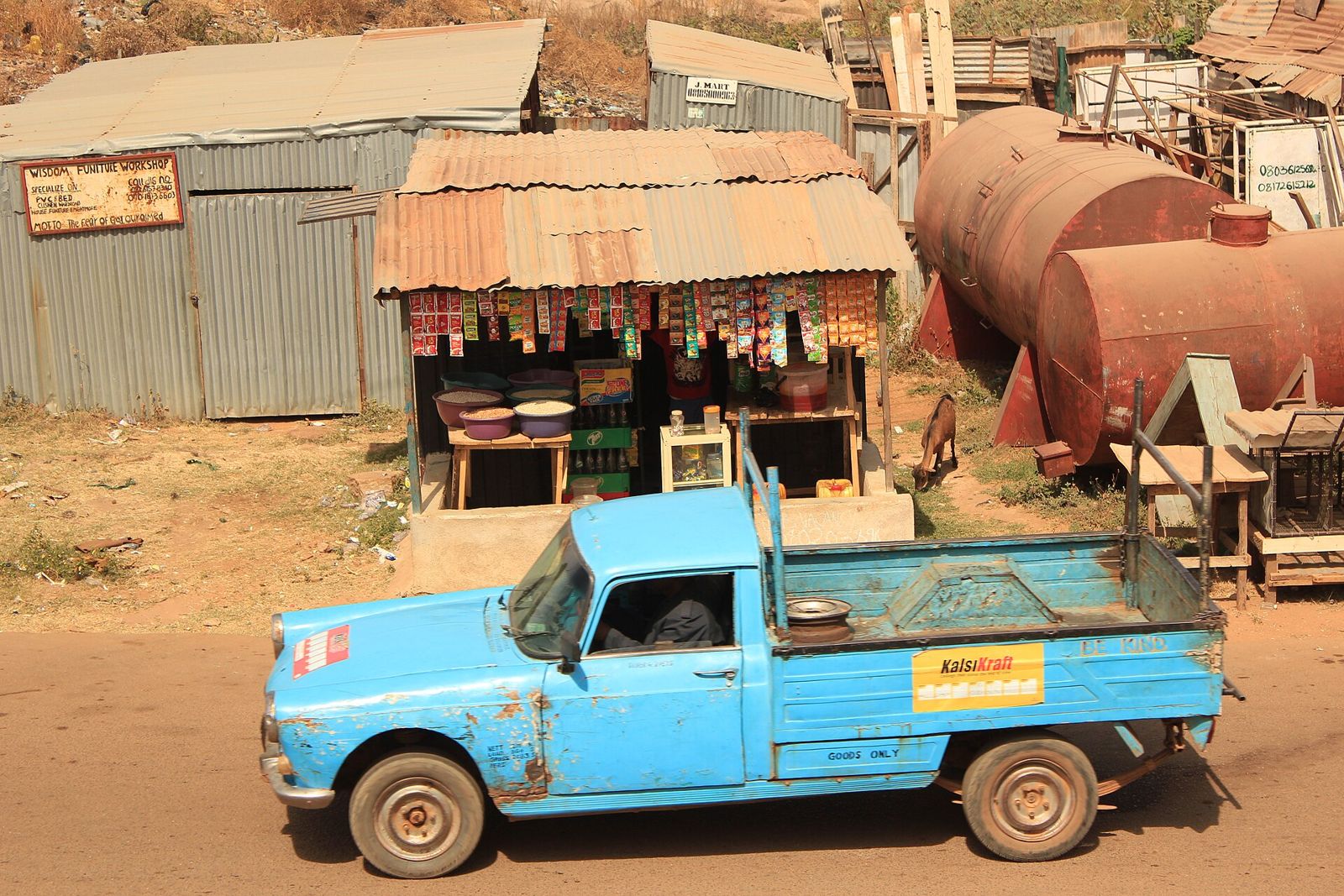
Straps loosen on the first stretch of rough road. Stop after the first few kilometres and re-tighten, especially on a long job, then check again after any bad patch. Stop somewhere safe, away from traffic, and look at three things: do the straps still bite, has the tarpaulin moved, and is anything leaning that was upright?
Rope on a wet day stretches. Retie it. See our guide to straps, ropes and tarpaulins for knots that hold.
Read the road ahead
Good drivers look two or three vehicles ahead, not at the bumper in front.
- Watch for a dark patch that may be a water-filled pothole. It is often deeper than it looks.
- Look for bumps that are painted badly or not marked at all, particularly at estate gates and market entrances.
- If the road is broken on both sides, take the side with the smoother surface, but only if oncoming traffic allows.
- If a stretch is truly bad, tell the customer that the trip will be slower. A short call is better than a sulking customer.
Drive with Sphere
Turn your truck or van into steady income
Accept move requests in Lagos, Abuja and Ibadan on your own schedule. Free to join, and you keep 90% of every job.
Match speed to the load, not the road
Fridges, glass, TVs and instruments do not forgive. A box of cloth will survive a bump you would not risk with a mirror. Ask at pickup what is fragile and plan your pace around it. If the customer has a piano or a glass table, say so before you accept the offer.
Cold hands and tired eyes also slow reactions. Take a short break on a long job and eat before the drive if you can.
When something shifts
Stop at the first safe place, not in the middle of the road. Switch on hazard lights, walk round the vehicle and look. Re-pack, re-tie and then continue.
If something is damaged, photograph it where it is and tell the customer calmly. See our guide on photographing the load at pickup and drop-off for the habit that protects you.
Look after the truck too
Rough roads punish tyres, suspension and brakes. Check tyre pressure before a long job, listen for new noises after bad patches and never overload the truck. A damaged spring on the road costs the whole day.
Read more in fuel, maintenance and route discipline.
How to do this on Sphere
When you open a request, read the load description carefully and ask what is fragile. If the route is likely to be rough, say it in your counter-offer so the customer understands the time and care involved. Agree loading and offloading help with the customer before you accept. If you want to join, apply on the driver page.
You can also look at truck hire in Lagos to see how customers describe their moves.
Frequently asked questions
How fast should I go over a speed bump with a full load?
Slow to walking pace and roll over, easing off the brake as you reach it. Braking hard on the bump pushes the load forward.
How often should I re-check the straps?
After the first few kilometres, after any rough stretch and before the final leg. A loose strap is easiest to fix at the first stop.
What should I do if the customer is nervous about a fragile item?
Agree where it sits on the truck, how it is padded and what pace you will drive. Tell them before the trip starts so there are no surprises.
Is it ever right to take a different road?
Yes, if it is safer for the load and you tell the customer why. Do not take a route that is unsafe only to save a few minutes.
What if the load shifts and I am in traffic?
Move to the first safe spot, put on hazard lights and fix it there. Never try to adjust a load from a moving vehicle.
Start driving
Turn your truck or van into steady income
Accept move requests in Lagos, Abuja and Ibadan on your own schedule. Free to join, and you keep 90% of every job.
Get New Guides
Join Sphere's logistics insights list
New guides on moving homes, offices and business goods, sent to your inbox.