
It is nine in the morning. You have accepted a house move that should finish by noon, and now a second request has landed for two o'clock on the other side of the city. The money is good and the truck is free. The real question is if you can do both.
Plenty of drivers say yes and then spend the afternoon on the phone, apologising. Here is how to decide before you accept.
Count the real hours, not the quoted ones
A move that "should take three hours" is almost never three hours. Work out the real time with these pieces.
- Drive from where you are to the pickup.
- Waiting while the customer finishes packing, which happens more often than not.
- Loading, including the carry from the room to the truck.
- The drive itself.
- Offloading, which is slower if the drop-off has stairs or a long carry.
- The drive from the drop-off to the next pickup.
Add them honestly, then add a cushion. If the total fits with room to spare, the second job is possible. If it fits only when everything goes perfectly, it is a no.
Ask the questions that change the time
Before accepting the first job, find out what will make it run long. Our list of questions to ask before accepting is the place to start: floors, lift, distance from the truck to the door, who is helping with the load.
A fourth-floor walk-up with no lift and a customer still packing is a half-day job. A ground-floor move with the boxes already stacked at the gate is not. Treat them differently when you plan the afternoon.
Protect the second customer
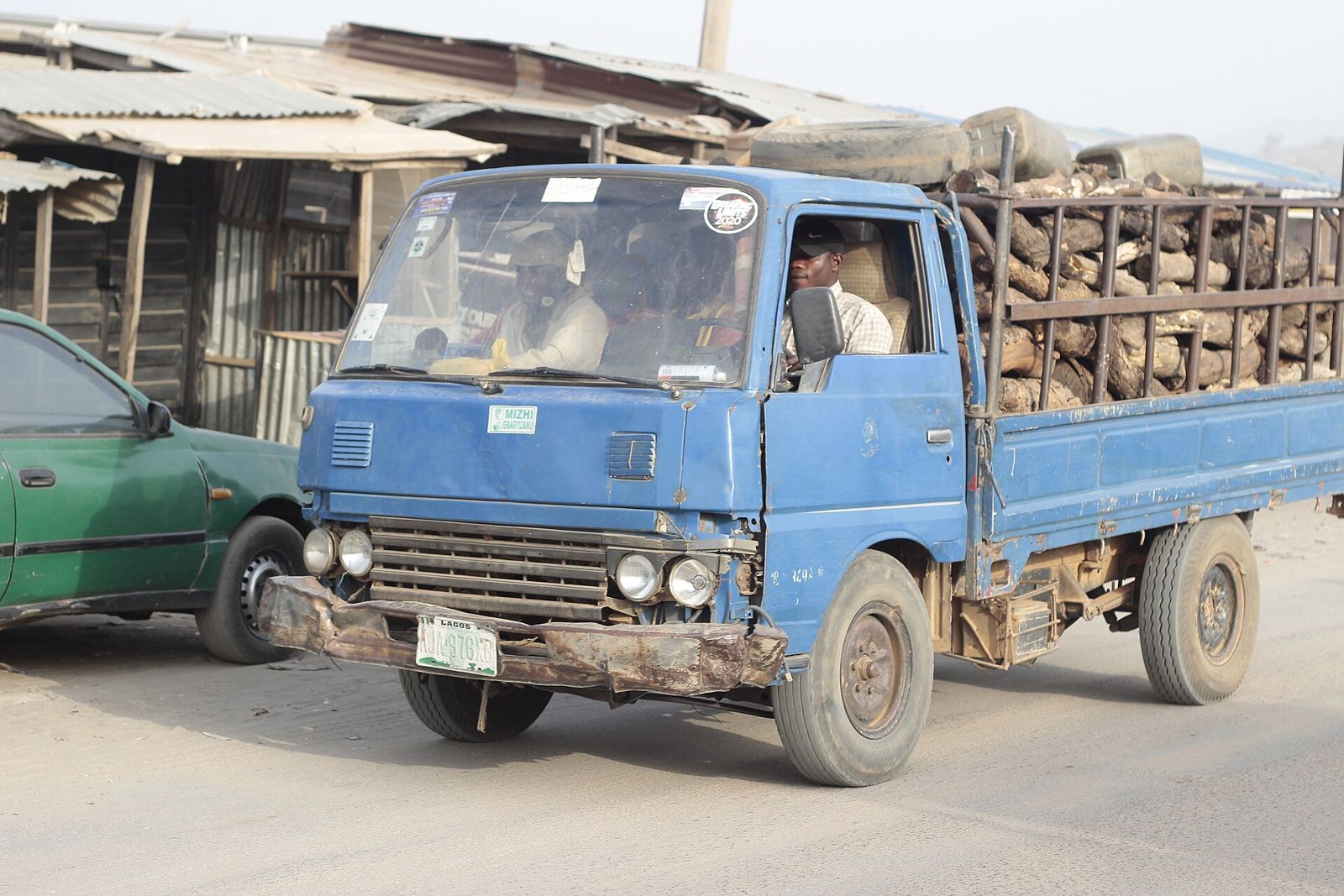
The second customer did nothing wrong. They have planned their day around your arrival, and a late truck costs them a gateman's goodwill, a landlord's patience or an estate pass that expires.
Do three things.
- Tell them at the time you accept that your start depends on the earlier job, and give the earliest realistic time, not the hopeful one.
- Message them as soon as the first job starts running behind. Do not wait until you are already late.
- Offer them a choice if you cannot make it: a later start, or a different driver.
Honesty early costs you a little. Silence costs you the customer and the reputation that brings the next job.
Do not fill the cushion with a third job
A day with one job and a free gap is not wasted. The gap is what absorbs a late customer, a breakdown, a blocked street or a long wait at a gate. Drivers who fill every hour with a job have no room when something goes wrong, and something usually does.
Read about waiting for a customer who is not ready so you can plan for it.
Drive with Sphere
Turn your truck or van into steady income
Accept move requests in Lagos, Abuja and Ibadan on your own schedule. Free to join, and you keep 90% of every job.
Prepare the truck between jobs
Use the gap well. Between the two jobs:
- Sweep the bed and remove any dust, nails or packing scraps from the first load.
- Check your straps, ropes and tarpaulin and replace anything worn.
- Refuel if the next trip is long, so you are not stopping with a customer's load on board.
- Eat something and drink water. A tired driver lifts badly.
Our guide to securing a load will help you check the kit.
When to say no to the second job
Decline, or send a counter-offer with a later time, if any of these is true:
- The first job has an uncertain end time, such as a customer who has not started packing.
- The two addresses are far apart across the city and you would cross it at a busy hour.
- The second move is large and needs a full, careful loading, not a rushed one.
- You are already tired.
Turning down a job is not failing. A later start, offered honestly through a counter-offer, is often accepted.
How this works on Sphere
On Sphere, customers describe the pickup, drop-off and load and propose a price. You read the job, then accept it or send a counter-offer. A counter-offer is the right place to say a different time or a different price if the day is tight. Joining is free and you keep 90% of each job. You can join through the driver app.
Frequently asked questions
How much gap should I leave between two moves?
Enough to absorb the first job running long. Leave more when the first customer has not packed yet, there are stairs, or the drive between addresses crosses the city.
Should I tell the second customer about the first job?
Yes, in plain words. Tell them your start depends on the earlier job, give an honest earliest time and message them as soon as you fall behind.
Can I send a counter-offer with a later start time?
Yes. A counter-offer is how you tell the customer what you can really do, and many customers will accept a later start.
What if the first move runs very late?
Message the second customer straight away and offer a later time or let them look for another driver. Do not arrive hours late without warning.
Is it better to take one big job or two smaller ones?
Neither is always better. Pick the plan with a gap for delays, and decline the one that works only if everything goes perfectly.
Start driving
Turn your truck or van into steady income
Accept move requests in Lagos, Abuja and Ibadan on your own schedule. Free to join, and you keep 90% of every job.
Get New Guides
Join Sphere's logistics insights list
New guides on moving homes, offices and business goods, sent to your inbox.