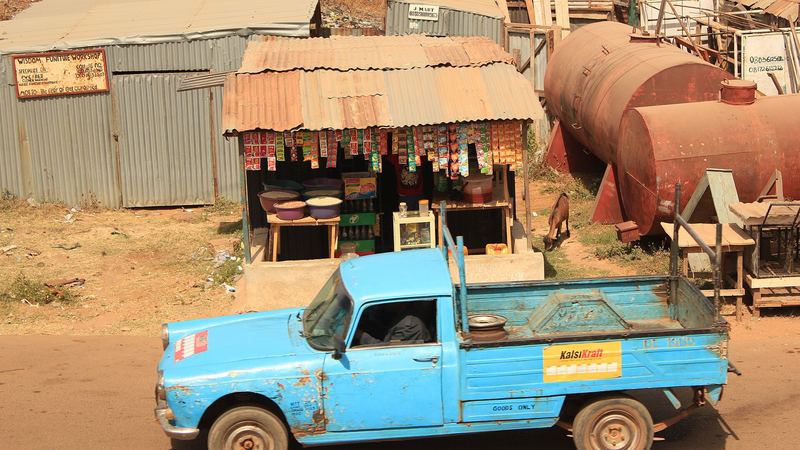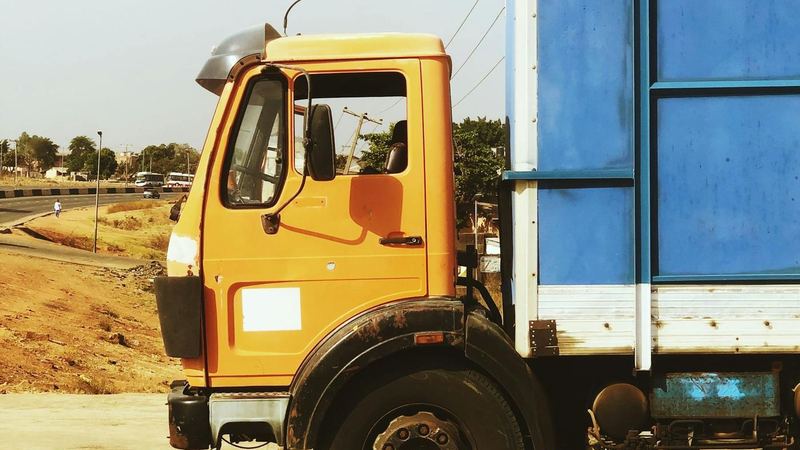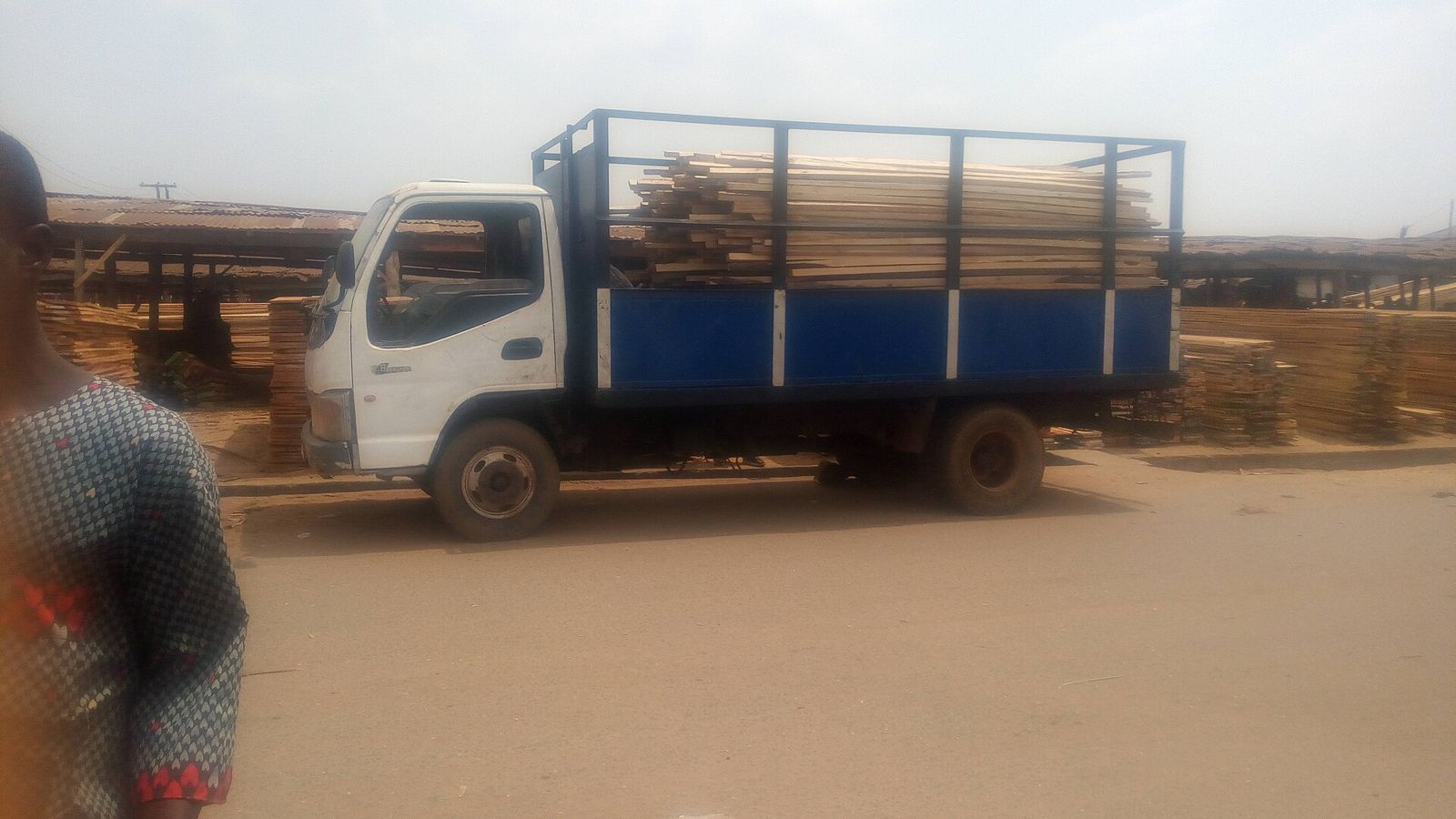
The sky goes dark at midday, the first drops hit the windscreen, and you still have a wardrobe, a fridge and six mattresses in the back. Within minutes the road has a film of water on it and the tyres feel different under you. A loaded truck in heavy rain behaves nothing like an empty one, and the drivers who stay out of trouble are the ones who change how they drive before the road forces them to.
This guide is for drivers. Customers can read our advice on rainy season moves in Lagos to understand what to expect.
Leave more room than you think you need
A loaded vehicle is heavy, and weight takes longer to stop. On a wet road the distance grows again. Drop your speed early and keep a long gap to the vehicle in front. If you normally keep a gap of two vehicle lengths, keep much more. Do not tailgate a danfo or a bus that may brake suddenly for passengers.
Brake gently and early. Hard braking on a wet surface can lock wheels or make the load surge forward against the headboard. Squeeze the pedal, do not stamp on it.
Watch for the places water collects
Many roads hold water in the same spots: low sections, under bridges, near culverts and at junction edges. Shallow water can hide potholes, open drains and broken edges.
- Slow down before you reach standing water, not in it.
- Do not drive into water if you cannot judge its depth. Wait or find another route.
- Test your brakes lightly after crossing water. They may feel weak until they dry.
- Keep to the crown of the road when it is safe, where water drains away.
Our guide on driving over speed bumps and potholes covers the load side of this.
Visibility: your lights, your wipers, your windows
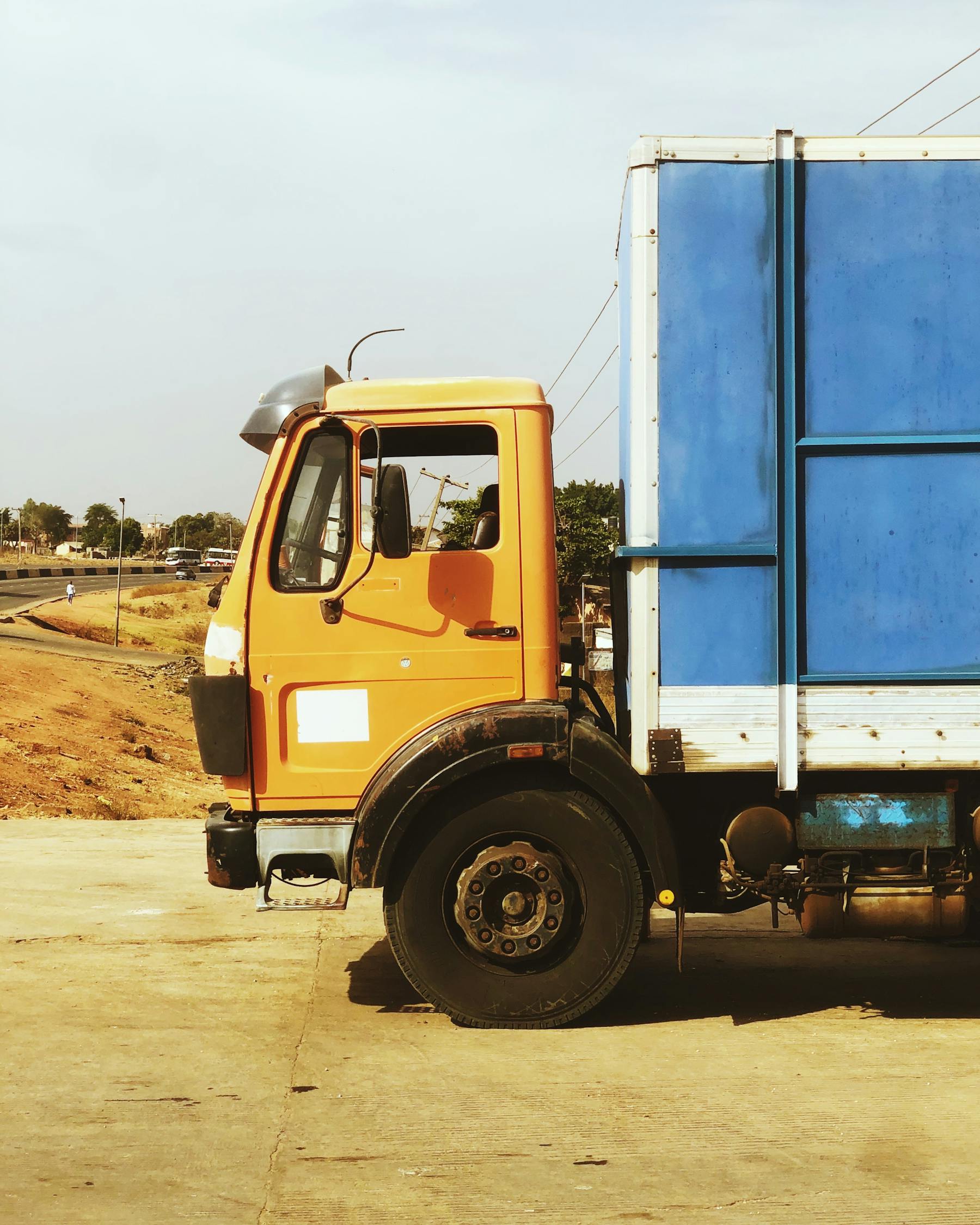
Check these before the rain, not during it. Our morning walk-round already includes lights and tyres, and the rainy season adds:
- Wipers: replace torn blades. A smeared screen at night is dangerous.
- Headlights and brake lights: clean and working, so others can see you.
- Mirrors: wipe them, and fold in a mirror if it is hit by spray.
- Demisting: know how to clear the windscreen from the inside.
Use dipped headlights in heavy rain, even in the day. Do not use hazard lights while moving unless you are in real trouble, because they can confuse other drivers.
Your load is now a wet load
Rain changes what is in the back.
- Cardboard boxes soften, then collapse. Wet sacks get heavy. Wooden furniture swells.
- Tarpaulins must be tied down well. A flapping sheet hides your rear lights and can catch the wind.
- Straps and ropes can loosen as they get wet and the load settles. Stop at a safe spot after the first few kilometres and check again.
- Water pools in folds of the tarpaulin. It adds weight and can pour onto a customer's things when you open it.
For the full method, see securing a load with straps, ropes and tarpaulins.
Ready to move?
Request a truck or van on Sphere
Choose your vehicle, propose your price, and verified drivers in Lagos, Abuja and Ibadan accept or send a counter-offer.
Slippery ground at the pickup and the drop-off
Loading in rain is risky even before the truck moves. Wet ramps, muddy compounds and slippery steps cause falls. Do not allow helpers to carry heavy items across wet ground without a clear path. Read loading on a slope or soft ground before you park on a muddy verge.
If the customer wants everything moved in the downpour, talk first. It is fair to suggest waiting for a break in the rain, or to cover the items and carry them quickly in small stages.
Know when to stop
Pull over somewhere safe, away from deep water and falling branches, and wait if:
- You cannot see the road lines.
- The road ahead is flooded.
- The load is shifting.
- The brakes feel soft.
A delay is better than a crash, and customers usually understand when you explain. Call or message them early so they are not left guessing. If you have to stop for long, photograph the load so that you can show its condition later.
Keep the cab and your body in good shape
Carry a spare cloth, a raincoat or a plastic sheet and a torch. Keep your phone dry. Do not drive tired in rain, because concentration drops faster. Take a break when you need one.
How to do this on Sphere
When you receive a request on the Sphere app, check the date and the forecast, then read the load description carefully. If the load is fragile, wet-sensitive or hard to cover, say so before you accept. You can send a counter-offer that reflects the extra time and care a rainy day requires. Agree loading and offloading help before you accept the offer, and confirm access at both ends.
If you are new to the platform, see getting approved as a Sphere driver and drive and earn with Sphere.
Frequently asked questions
How much slower should I drive a loaded truck in heavy rain?
Slower than you think, with a much longer gap. Choose a speed at which you can stop smoothly, and drop it further when the road is flooded or the light is poor.
Should I use hazard lights in rain?
Not while moving. Use dipped headlights, and keep hazards for when you have stopped in a risky spot.
How often should I check straps in the rain?
After the first few kilometres, then at each stop. Wet ropes and settling loads can loosen.
Can I refuse a move in dangerous weather?
You can decline or ask to reschedule when conditions are unsafe. Explain clearly to the customer.
What if I have to cross standing water?
Only cross if you can judge the depth and it is safe. Drive slowly, then test the brakes afterwards.
Request your move
Request a truck or van on Sphere
Choose your vehicle, propose your price, and verified drivers in Lagos, Abuja and Ibadan accept or send a counter-offer.
Get New Guides
Join Sphere's logistics insights list
New guides on moving homes, offices and business goods, sent to your inbox.