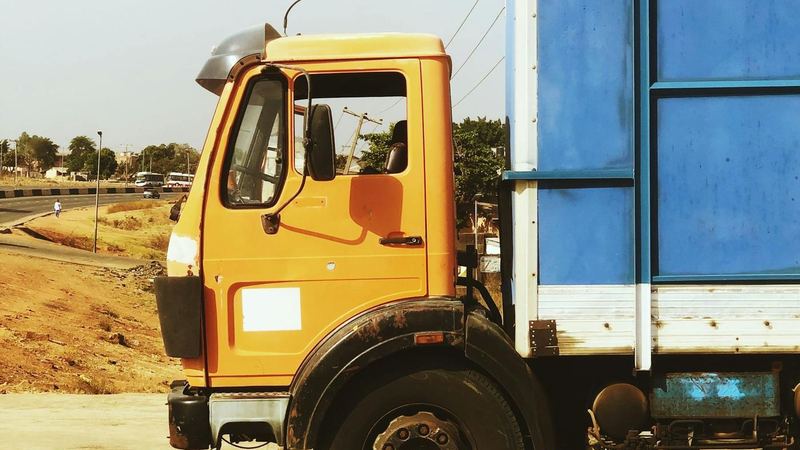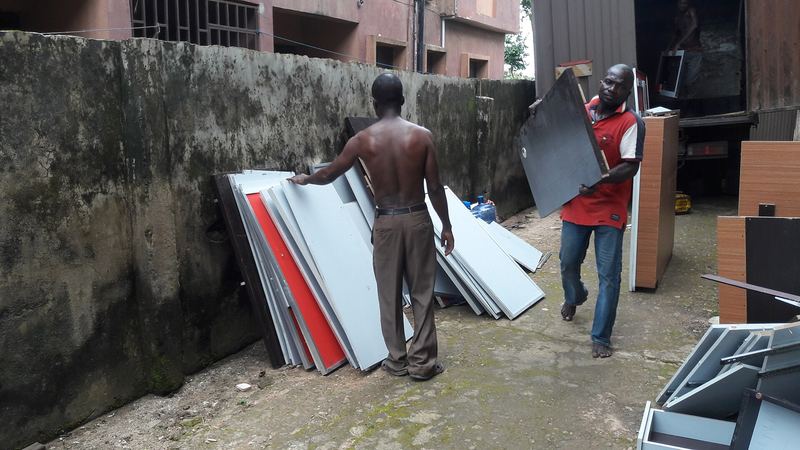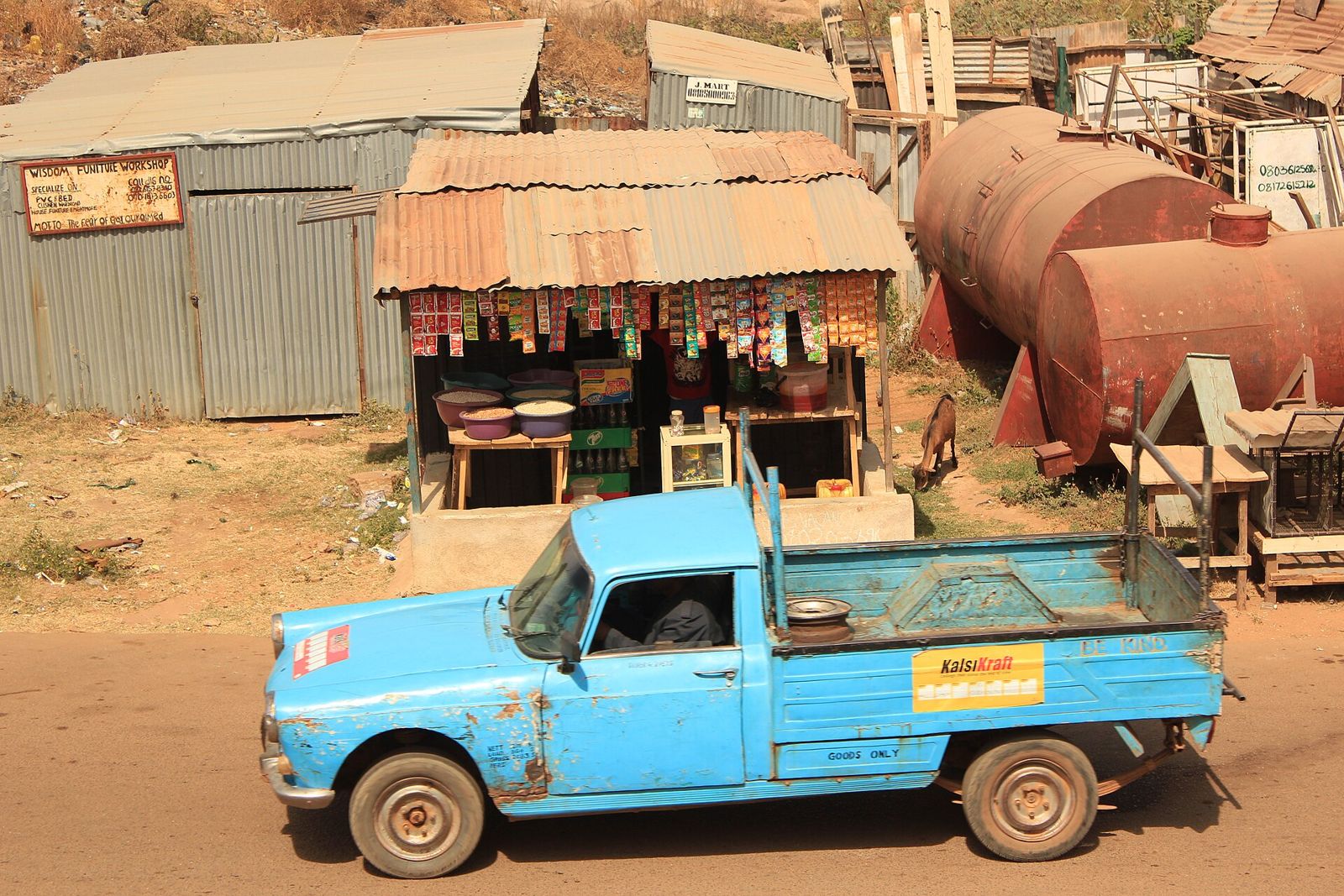
It is 6:40am, the customer is waiting, and your front-left tyre is soft. You could have found that last night, or you can find it on the Third Mainland Bridge with a full load behind you. A ten-minute walk-round before every bulk move is the cheapest thing a driver can do for a good day.
This is the routine we recommend for truck and pickup van drivers.
Start with the ground around the vehicle
Walk once around the truck before you touch anything. Look for fluid under the engine, a wet patch near a wheel, or a tyre sitting lower than the others. A new puddle means something is leaking and you should find out what before you load.
Tyres and wheels
Tyres carry everything, so they come first.
- Press each tyre with your hand and look for low pressure. Check the spare as well.
- Look at the sidewalls for cuts, bulges or cracks.
- Look at the tread. Bald tyres are dangerous in the rain and with a heavy load.
- Check the wheel nuts for any that look loose or missing.
- Confirm that you have a working jack, a wheel spanner and a warning triangle or a safe substitute.
If a tyre looks doubtful, replace it or fix it before you go. Do not hope it will last the trip.
Lights, horn and mirrors

You may leave in daylight and return after dark. Test:
- Headlights, brake lights, indicators and reverse lights.
- The horn.
- Both mirrors, adjusted for your seat.
- The windscreen and wipers, especially in the rainy season.
A broken brake light is easy to fix and hard to explain to someone behind you.
Fluids and fuel
Check the engine oil, the coolant and the brake fluid levels where you can see them. Make sure you have enough fuel for the trip there and the way back, with some left over. Our guide on fuel, maintenance and route discipline goes deeper on keeping costs steady.
If a warning light is on, do not ignore it. Follow the vehicle maker's guidance, and tell the customer early if the job needs to change.
The load area
Before the customer's goods go on, look at the bed or the body.
- Sweep out stones, loose nails and old packing.
- Check the floor for holes or rust that could snag or let water in.
- Inspect the tailgate latches and any side boards.
- Make sure your straps, ropes, tarpaulin and blankets are all there and in good order.
If you carry a mix of furniture and boxes, you will need extra padding. Our guides on padding and protecting furniture on the truck and securing a load show what to bring.
Ready to move?
Request a truck or van on Sphere
Choose your vehicle, propose your price, and verified drivers in Lagos, Abuja and Ibadan accept or send a counter-offer.
Your own readiness
The vehicle is only half of the check.
- Charge your phone and carry a charger.
- Keep your licence and vehicle documents within reach.
- Have drinking water and a small snack.
- Write down the customer's number and the drop-off address, and call to confirm you are on the way.
- Be rested. A long job on a short night is a risk to you and the load.
Our checklist for calling the customer before pickup covers the call.
Check again after the first stretch
Once the load is on and you have driven the first few minutes, pull over somewhere safe and check:
- Straps and ropes for slack.
- Tarpaulin edges for flapping.
- Any item that has shifted.
- Your tyres and brakes feel normal.
A load settles after the first bumps, so a strap that was tight at the gate may be loose now.
Keep a simple log
Write the date, the odometer reading and anything you noticed. Over a month, patterns show up: a tyre that keeps losing air, a light that keeps failing. Fix patterns early.
How this fits with Sphere
Drivers on Sphere are approved before they take jobs, and customers describe loads so you can judge the work. A vehicle you have checked lets you accept a job with confidence. You can learn about joining at drive and earn with Sphere, and the driver app is available at the Sphere driver download page. Agree loading and offloading help with the customer before you accept an offer.
Frequently asked questions
How long should a pre-trip check take?
About ten minutes once you have a routine. Do it before loading, so you can fix anything while the customer is still preparing.
Which part of the check matters most?
Tyres, because they carry the weight and are often the first thing to fail on a heavy load. Brakes and lights come next.
Should I check the vehicle again after loading?
Yes. Stop somewhere safe after the first few minutes and re-check straps, the tarpaulin and any item that has moved.
What if I find a problem on the morning of a job?
Tell the customer early and honestly. They can wait, adjust or accept another driver, but only if you tell them before they have organised a crew.
What should I carry in the vehicle at all times?
A spare tyre, a jack and spanner, a warning triangle, straps, ropes, a tarpaulin, blankets, drinking water and a phone charger.
Request your move
Request a truck or van on Sphere
Choose your vehicle, propose your price, and verified drivers in Lagos, Abuja and Ibadan accept or send a counter-offer.
Get New Guides
Join Sphere's logistics insights list
New guides on moving homes, offices and business goods, sent to your inbox.