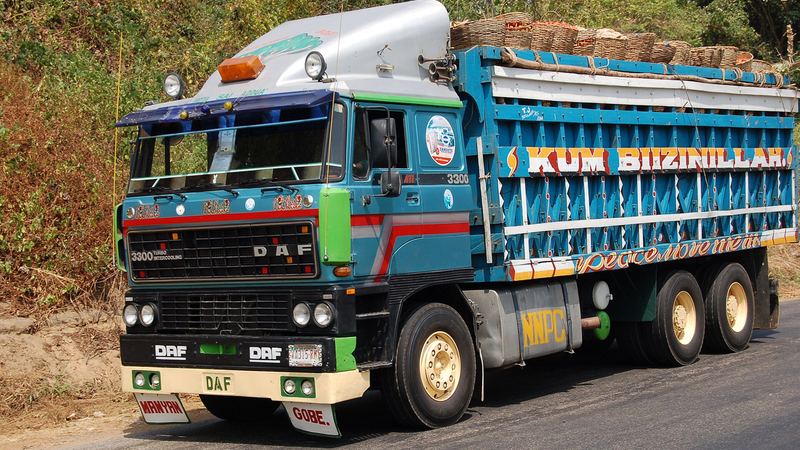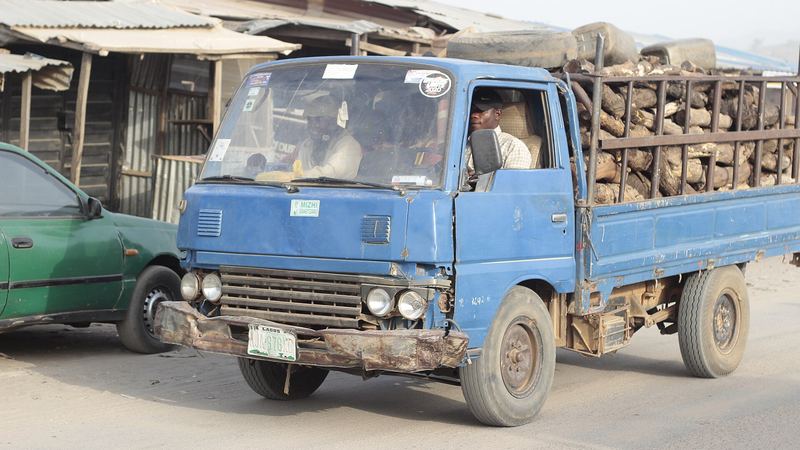
A mother in Lagos is sending the dining set to her daughter in Ibadan, and the beds and the fridge to her son, who lives on the other side of the same city. One truck is going anyway, so why pay for two? It is a sensible idea, and it works if you plan the order of the load and the order of the stops before the driver arrives.
Two addresses means two arrivals, two sets of receivers and one load that must come apart in the right sequence. Done badly, the first stop is a puzzle of items stacked behind everything else.
Decide the order of stops first
Pick which address comes first. A few things should guide the choice:
- Which one is on the way. The nearer stop usually goes first, so the truck is not backtracking.
- Which one has the harder access. If one place has stairs, a narrow lane or a gate with rules, give it a clear window and a driver who is not rushing.
- Who can receive at what time. A receiver stuck in work until the afternoon should not be the first stop.
Tell the driver the order before you accept an offer. A second stop changes the route and the time.
Load in reverse
The first drop-off is loaded last, so it sits near the tailgate. The second drop-off goes in first, deeper in the truck. This is simple in theory and easy to forget in practice when a crew is moving fast.
For the two-address example above:
- Beds and fridge for the second stop go in first, heavy items low, strapped.
- Padding or boxes go between the two sets.
- The dining set for the first stop goes in last, chairs stacked, table top protected.
- A clear gap or a row of boxes separates the loads, so the crew can see where one ends.
Check how to load a van or truck efficiently for the weight and balance basics, because splitting a load must not leave one side too heavy.
Label everything twice
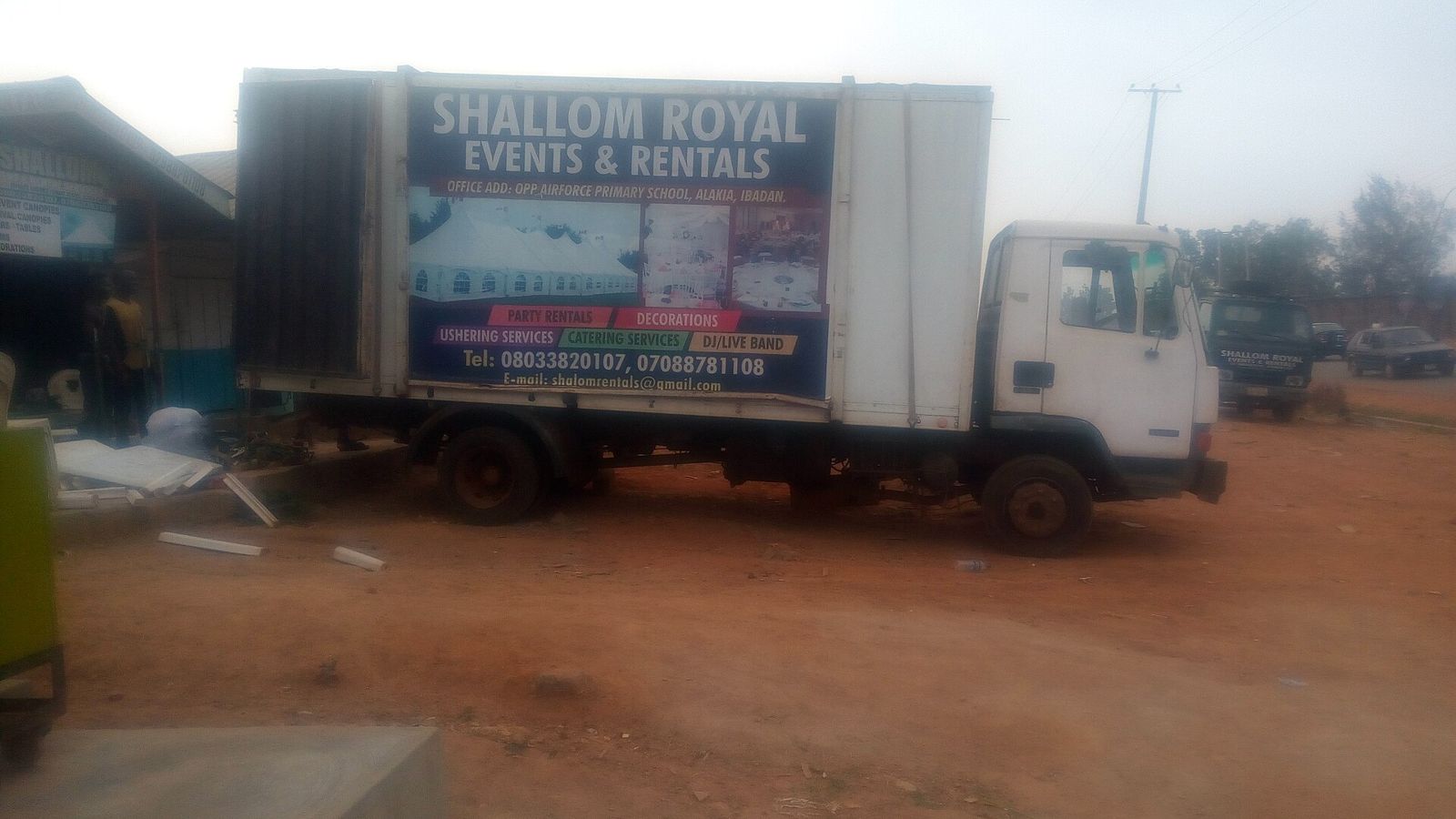
Use tape and a marker. Put the destination and the receiver's name on each item or box: "Stop 1, Tunde" and "Stop 2, Bisi". Use colours if you can: one colour of tape for each address. Anyone who has seen a crew try to remember which box is which at two stops knows how fast it goes wrong.
Our guide on labelling and numbering boxes explains a numbering system that also works here. Give each receiver a copy of the list for their own items, and keep one master list.
Brief both receivers
Each receiver needs:
- The expected arrival window, and the driver's phone number.
- A list of what they should receive.
- A place ready for the items, as covered in preparing the drop-off before an intercity truck arrives.
- A warning about the second stop, so they do not keep the driver chatting.
Ask each receiver to check the items against the list at once, and to say so if anything is damaged. A quick photo at each stop helps if there is a question later. Photographing the load is a habit worth asking for.
Ready to move?
Request a truck or van on Sphere
Choose your vehicle, propose your price, and verified drivers in Lagos, Abuja and Ibadan accept or send a counter-offer.
Agree the extra stop before you accept an offer
The second address adds distance, time and effort. Before you accept an offer on Sphere, make sure the driver knows about both stops and agrees to them. State the second address in the request. Do not add it on the morning of the move, because it is unfair to the driver and it often leads to an argument.
Also agree:
- Who helps with offloading at each place.
- How long the driver can wait at each stop.
- What happens if a receiver is not ready.
What if the stops are in different cities?
That is a different type of job, and usually two separate requests. This guide is for two addresses in the same city. If you are shipping goods without travelling yourself, read sending goods between cities when you cannot travel with them.
Keep the schedule realistic
The first stop will take time to unload, and the driver still has to reach the second. If the first receiver is slow, everything slips. Build in a buffer, and do not promise the second receiver a fixed hour. Daylight matters on an intercity trip, so an early start helps. Our guide on Lagos to Ibadan same-day truck trips shows how a full day tends to run.
How to do this on Sphere
Open the app and choose a truck for a large load, or a pickup van for something lighter. Add the pickup and the first drop-off, and mention the second drop-off in the load description with a clear address and landmark. Describe the load by stop: "Stop 1: dining set, six chairs. Stop 2: two beds, one fridge, ten boxes". Propose a price. Nearby verified drivers accept or counter, and you choose. Agree loading and offloading help at each address before you accept.
You may also like Lagos truck hire and Ibadan.
Frequently asked questions
Can a Sphere driver make two drop-offs?
Yes, if the driver agrees. Describe both addresses in the request so offers reflect the extra stop.
Which stop should come first?
Usually the one nearer the route, unless access at the other place is hard and needs a longer window. Tell the driver your order before you accept.
How do I stop items getting mixed up?
Label each item with its stop and receiver, use different tape colours and keep a master list.
What if one receiver is late?
Agree waiting time in advance. If the delay is long, the driver may continue to the other stop and return, so settle this beforehand.
Is splitting a load cheaper than two trips?
It can be, but distance, time and effort all affect offers. Compare what drivers propose.
Request your move
Request a truck or van on Sphere
Choose your vehicle, propose your price, and verified drivers in Lagos, Abuja and Ibadan accept or send a counter-offer.
Get New Guides
Join Sphere's logistics insights list
New guides on moving homes, offices and business goods, sent to your inbox.