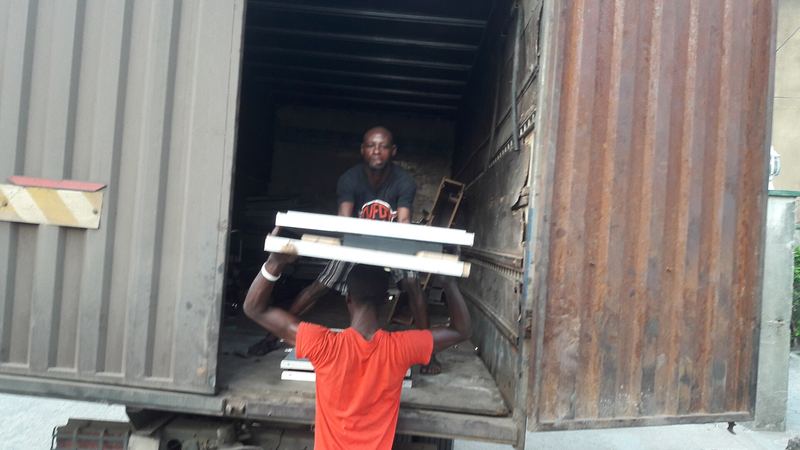
The senior partner has a hearing on Thursday, the client files for it are somewhere in the third cabinet, and the landlord wants the old chambers empty by Friday. An office that runs on paper cannot move like an office that runs on laptops. One lost folder can cost more than the whole truck.
This guide is for law chambers, accounting and audit firms, tax consultants and any office with years of paper to carry.
Paper is heavier than it looks, and it matters more
A box of files feels light until you stack forty of them. A full four-drawer filing cabinet is heavy on its own, and heavier once the drawers are packed. Archive boxes also crush each other if the bottom row is weak.
Two things follow from that:
- Plan the truck by weight as well as space. A pickup van fills its weight allowance with archive boxes long before the load body looks full.
- Use strong boxes of one size. Odd-sized cartons collapse in a stack and slow the loading crew.
Sort before you pack
The cheapest hour in the whole move is the one spent deciding what not to carry. Before a single box is taped:
- Separate live matters from closed ones. Live files travel with someone from the firm, in their own car if possible.
- Separate files you must keep for years from those you may lawfully destroy. Ask your professional body or your compliance officer, because retention rules differ and you should not guess.
- Shred anything that is clearly due for destruction, instead of paying to move it.
If you plan to keep an offsite store, say so now. A second drop-off changes the trip plan.
Packing the files

Pack by client or by matter, never by "whatever was on the desk". Each box gets a number on two sides and on the lid, and a matching line on a master list kept by one named person.
A simple box label that works:
- Box number and total (for example 14 of 52)
- Department or partner
- Year range
- Room it goes to at the new office
Do not overfill. A box you can lift with a straight back is the right weight. Fill gaps with crumpled paper so the files do not slide, and tape the bottom twice.
Keep the master list in two places: one printed copy with the person at the old office, and a photo of it on a second phone.
Confidential material
Client papers, signed agreements and original title documents need extra care. The clearest advice is to keep originals out of the general load.
- Carry originals, seals, stamps, blank cheque leaves and any bearer documents yourself.
- Lock the sensitive boxes, or tape them with tamper tape so you notice if one is opened.
- Have one trusted staff member ride along or follow the truck, and sign boxes in at the other end against the list.
- Never leave a loaded truck unattended with files on board.
Agree with the driver before you accept the offer that someone from the firm will be present at both ends.
Ready to move?
Request a truck or van on Sphere
Choose your vehicle, propose your price, and verified drivers in Lagos, Abuja and Ibadan accept or send a counter-offer.
Cabinets, safes and the desks
Empty every drawer of a filing cabinet before it moves, and lock or tape it shut. Heavy cabinets go low in the truck, against the wall of the load body, with padding at the corners. A strong-room safe or steel cabinet is its own job: see our guide on moving a safe or steel cabinet.
Desks and meeting tables should be taken apart where the design allows. Our office relocation checklist for teams under 20 has the furniture side of the plan.
Computers, printers and the server cupboard are a separate stream. Read moving computers, servers and networking equipment before the IT person starts unplugging.
Pick the day so the office keeps working
Court calendars, filing deadlines and month-end close are fixed dates. Try to move on a weekend, or on the quietest day of your own calendar. Many firms move the archive first on a Saturday, then the working files and furniture on the following Sunday, so Monday opens with a desk and a file for each person.
If your office is in a tower, check lift hours and floor protection rules with the building manager first. Our guide to moving in or out of a Lagos high-rise covers what to ask.
How to do this on Sphere
Open the Sphere app and choose a truck for the archive and furniture, or a pickup van for a small chambers. Add the pickup and drop-off addresses, then describe the load in numbers: "52 archive boxes, six four-drawer cabinets, eight desks, one server cupboard". Say what floor you are on and whether there is a lift. Propose a price. Nearby verified drivers will accept it or send counter-offers, and you choose the one that suits you. Agree loading and offloading help with the driver before you accept an offer.
For more on this kind of move, see office relocation in Lagos and truck hire in Lagos.
Frequently asked questions
Can I move live case files in the same truck as the furniture?
It is usually safer to carry live and sensitive files yourself, in a private car. The truck can take the archive and closed files with a staff member present.
How many archive boxes fit in a pickup van?
It depends on box size and weight, so describe the count and size in the app and let drivers respond. Weight often limits a pickup van before space does.
Should I shred old files before moving?
If they are clearly due for destruction, yes. Check retention requirements with your professional body first, because the rules differ by profession.
How do I make sure no box goes missing?
Number every box, keep a master list and tick each box off as it is loaded and again when it is offloaded. Someone from the firm should be present at both ends.
Do I need to empty filing cabinets before they are moved?
Yes. Loaded drawers make the cabinet far heavier and can slide open on the road. Empty them, lock them and pad the corners.
Request your move
Request a truck or van on Sphere
Choose your vehicle, propose your price, and verified drivers in Lagos, Abuja and Ibadan accept or send a counter-offer.
Get New Guides
Join Sphere's logistics insights list
New guides on moving homes, offices and business goods, sent to your inbox.