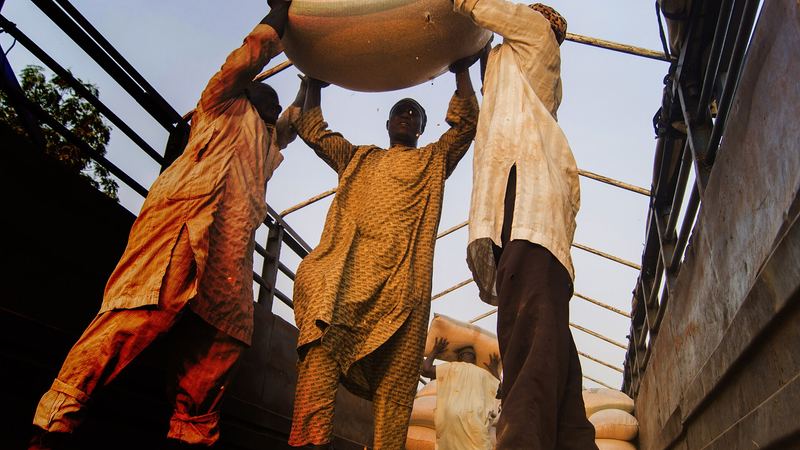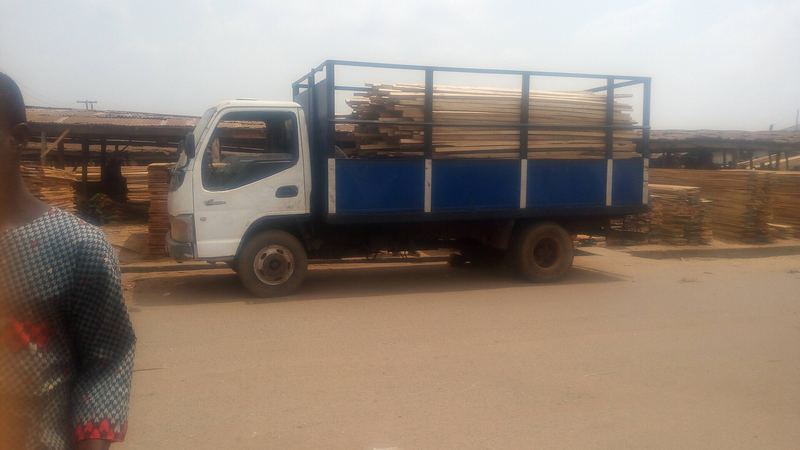
The customer's compound has a gate that is just wide enough, a drain along one side, a generator in the corner and a neighbour's car parked halfway across the entrance. You are in a loaded truck on a narrow street, and the customer says, "Just reverse in, it is easy."
It is rarely easy. Reversing into tight compounds is where drivers scrape bodywork, break gate hinges, crush a keke or, worse, hurt a helper. A few habits keep it routine.
Walk it before you drive it
Before you touch the gear lever, get out and walk the space.
- Look at the gate width and the height of any cable, branch or gate arch above it.
- Look for the drain, the soak-away cover, loose paving and soft ground. Heavy trucks can sink or crack covers that look solid.
- Note poles, parked cars, generators, gas cylinders and children.
- Check how much room there is to turn and whether a reverse is really needed. Sometimes you can drive in forward and reverse out on the empty return, which is easier.
- Decide where the vehicle will stop and which side the load will come off.
If you are not sure the truck will fit, say so before you start. It is better to load at the gate or use a smaller vehicle than to damage a wall. Tell the customer calmly and suggest the alternative.
Always use a spotter
A mirror shows you only part of the picture. Ask the customer, a helper or the gateman to stand where you can see them in your mirror and guide you, and tell them clearly:
- Stand to the side of the vehicle, not behind it, and never directly in line with the wheels.
- Keep in your mirror. If you cannot see them, you stop.
- Do not hold a gate or a wall with a hand or foot near the wheels.
If nobody is available, get out and check the space every few metres. Slow is fine.
Agree the signals first
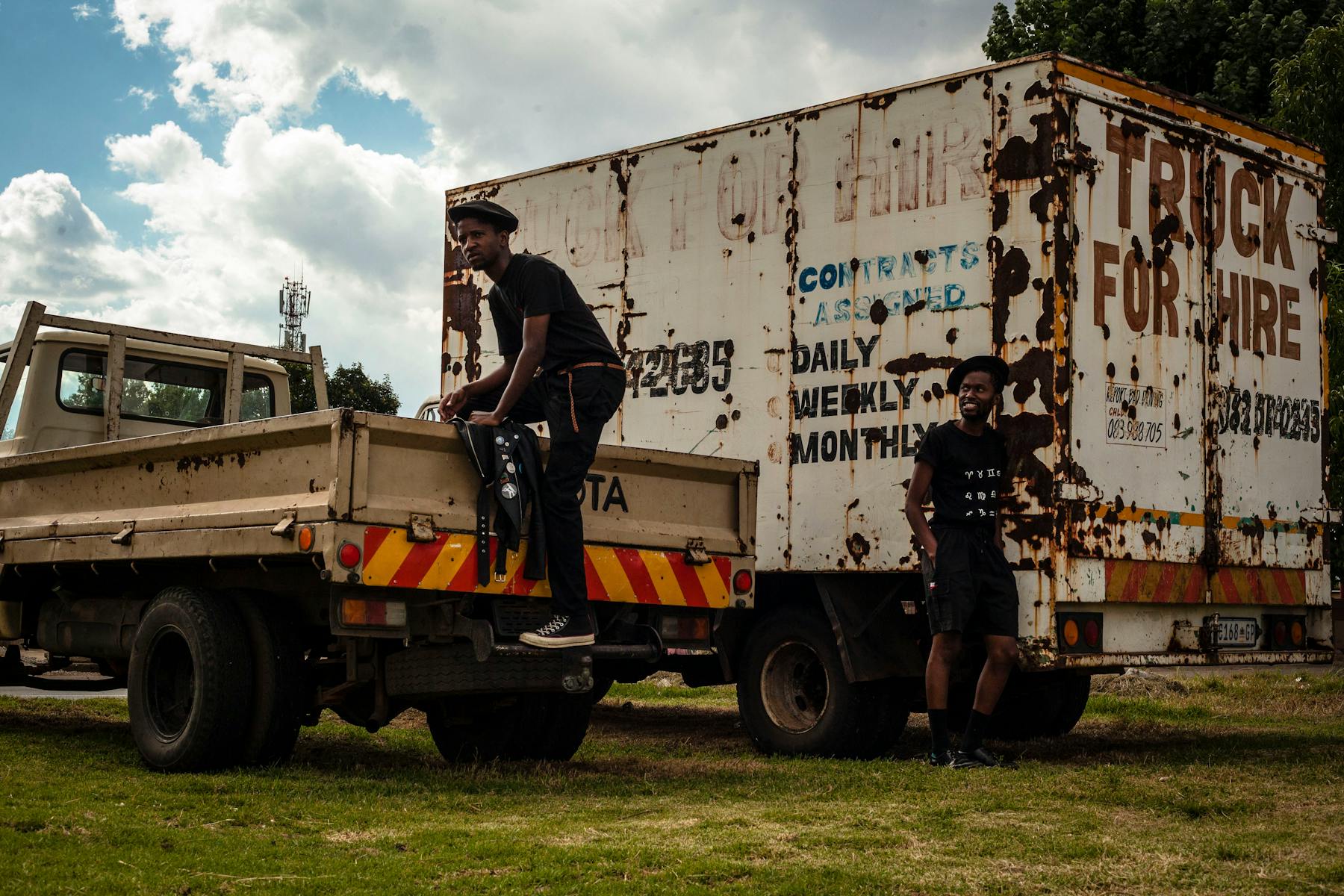
Do this before you move, not while the engine is running. Keep it simple and use the same signals every time:
- Open palm raised: stop
- Hand waving towards the chest: come back slowly
- Two hands wide apart, then closing: you are getting close, narrow gap
- Hand across the throat: stop and switch off
- Arm pointing left or right: steer that way
Also agree one word, like "stop", that anyone shouts if they see danger. The driver stops on that word, with no discussion.
Technique for the reverse
- Turn the hazard lights on and, if you have one, use the reverse alarm.
- Open the window so you can hear the spotter.
- Straighten the vehicle with the gate as best you can before you start.
- Go slowly, at walking pace, and keep your foot ready to brake.
- Make small steering corrections rather than large ones. If you go wrong, pull forward and start again. This costs minutes and saves bodywork.
- Keep an eye on the front corners as well as the rear, because the front swings out when you steer sharply.
Pickup vans are shorter and easier, but trucks with a long body swing wide and need more space at the gate. Mind the load height too. A tarpaulin or tall load can catch an overhead cable or a gate arch.
Drive with Sphere
Turn your truck or van into steady income
Accept move requests in Lagos, Abuja and Ibadan on your own schedule. Free to join, and you keep 90% of every job.
Protect the gate and the compound
Ask the customer to open both leaves of the gate fully and fix them so they cannot swing. Move parked cars if you can. If the kerb or drain edge is fragile, lay a plank or board across it. Never use the gate or wall as a guide to feel your way in.
Photograph the gate and the surroundings before you start, which helps if there is any disagreement later. This is the same habit covered in photographing the load at pickup and drop-off.
After you are in
Switch off, apply the handbrake, put the truck in gear and chock the wheels if there is any slope. Then check where the helpers will walk and keep the path clear. For more on the loading itself, read offloading a truck safely at the drop-off.
How to do this on Sphere
When you receive a job on Sphere, check the notes for access details like gate width, narrow streets and parking. If they are missing, ask the customer before you accept an offer or send a counter-offer. A driver who knows the compound is tight can plan the approach, bring a spotter or suggest a smaller vehicle. To drive on Sphere, see drive and earn.
Frequently asked questions
Should I always use a spotter when reversing?
Yes, whenever the space is tight or you cannot see behind you. Ask a helper, the customer or the gateman to guide you from a safe spot.
What if the truck does not fit the gate?
Say so before you try. Offer to load at the gate or on the street, or suggest a smaller vehicle. A scraped gate is a bigger problem than a short carry.
Where should the spotter stand?
To the side where you can see them in your mirror, never directly behind the vehicle or near the wheels. If you lose sight of them, stop.
What hand signals should we agree?
Keep them simple: stop, come back slowly, narrow gap, switch off and steer left or right. Agree them and a shared stop word before you move.
Is it better to reverse in or out?
Often reversing in while the compound is empty and driving out forward is easier, but it depends on the space. Walk it first and choose what is safest.
Start driving
Turn your truck or van into steady income
Accept move requests in Lagos, Abuja and Ibadan on your own schedule. Free to join, and you keep 90% of every job.
Get New Guides
Join Sphere's logistics insights list
New guides on moving homes, offices and business goods, sent to your inbox.