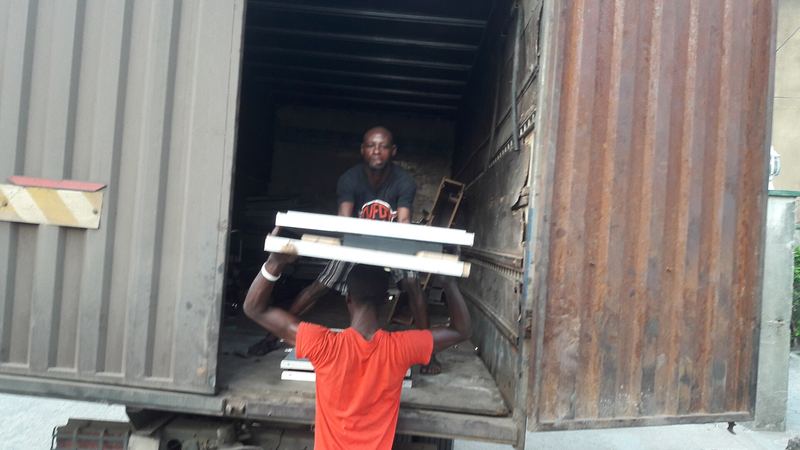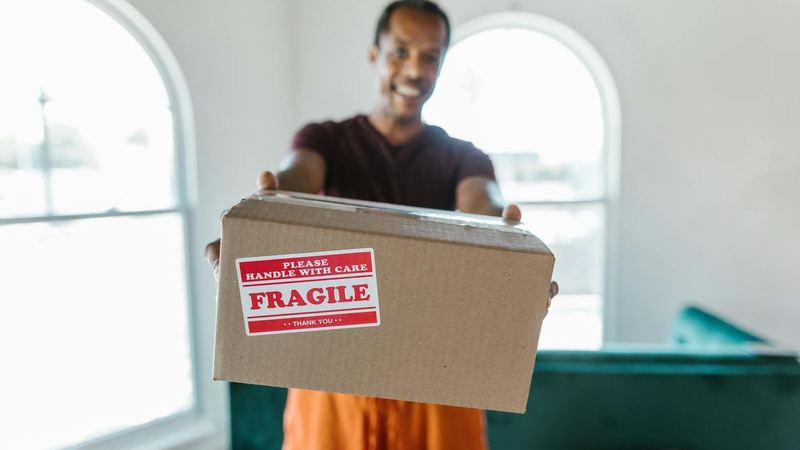
The shop is open, a customer wants a brake pad for a car you have not seen in months, and you know exactly which box it is in. That knowledge is the real asset of a spare parts shop. Move the shop badly and you still own every part, but you can no longer find any of them.
So the aim of a parts shop move is simple: the stock must arrive in an order you can still read.
Photograph the shelves before you touch them
Parts shops run on memory and habit. Before anything comes down, photograph every shelf and every wall from the front, close enough to read the labels. Do the same for the glass counter and the store room at the back.
You will use these photos at the new shop to put things where your staff already expect them. It takes twenty minutes and saves days of hunting.
Sort the stock into four loads
Do not pack by shelf. Pack by how the item behaves on a truck.
- Heavy metal: engines, gearboxes, axles, shock absorbers, brake discs, batteries.
- Liquids: engine oil, brake fluid, coolant, gear oil, grease.
- Fragile and delicate: headlamps, side mirrors, windscreens, radiators, sensors.
- Small boxed parts: filters, plugs, belts, bearings, bulbs, fuses.
Each group goes into the truck in a different place, so sorting first means loading is quick and nobody is guessing.
Heavy parts go on the floor
Engines and gearboxes are low, dense and awkward. They sit on the truck bed, close to the cab, with timber or old carpet under them so they do not slide or chip the floor. Tie them down separately. A loose engine block moving on a turn is a danger to everything near it.
Batteries stand upright, never on their side, and away from anything that could short them. Keep them apart from the oil.
Liquids need a tray and a tight lid
Check every tin and jerrycan lid before it is lifted. Wipe off any oil on the outside, because a slippery tin is a dropped tin. Stand drums and tins upright, packed tightly so they cannot tip, and keep them away from cardboard boxes of small parts. One split carton of brake pads soaked in oil is a loss you cannot sell.
If the load will pass through rough road, a plastic sheet under the liquids is cheap insurance.
Fragile glass and radiators ride high and wrapped
Headlamps and mirrors go in their original boxes where you still have them, wrapped in old cloth or foam where you do not. Radiators have thin fins that bend on contact, so nothing heavy touches them. Windscreens travel on their long edge, padded, never flat under other stock.
Our guide to moving glass safely covers the handling in more detail.
Keep small parts in numbered crates
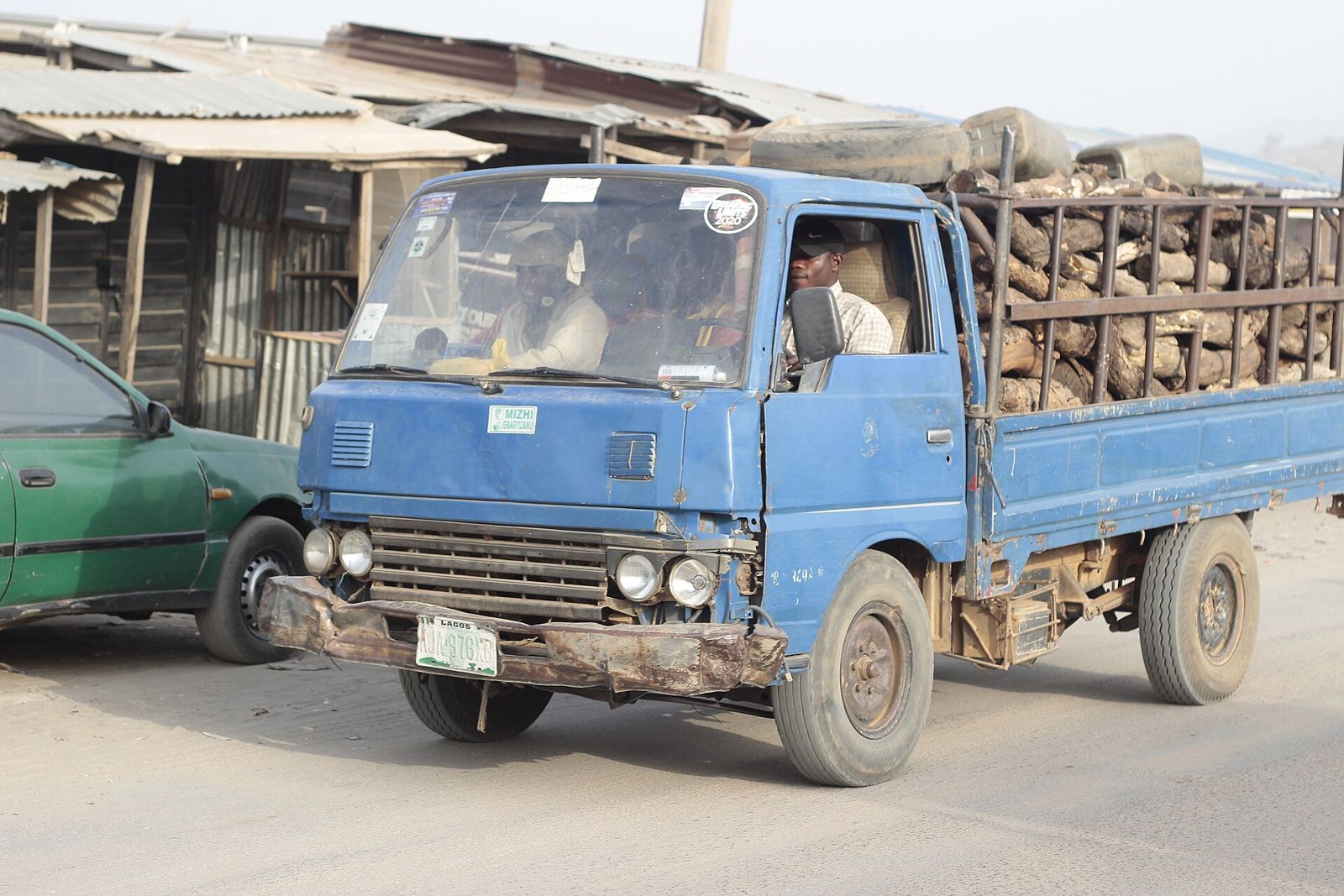
Loose filters and belts are where parts shops lose money. Put small boxes into crates or strong cartons, and number each one. On your list, write what the crate holds and which shelf it came from, for example "Crate 14: Toyota oil filters, left wall, shelf 3".
Do not overfill. A carton that you cannot lift with two hands will split at the bottom.
Ready to move?
Request a truck or van on Sphere
Choose your vehicle, propose your price, and verified drivers in Lagos, Abuja and Ibadan accept or send a counter-offer.
Plan the move around trading days
You are paid by the customers who walk in, so move when the shop is slow. Many owners do the heavy stock first and leave the fast-selling items open for sale until the last day. Move the fast sellers last, and set them up first in the new shop.
If the new shop is not ready, do not load shelves in a hurry. Finish the stock count, then move.
Count out, count in
Have one person at the old shop calling items off the list and one at the new shop ticking them. Missing crates are easy to chase on the same day and almost impossible a week later.
Keep invoices, serial numbers and warranty papers in your own car, not on the truck.
How to do this on Sphere
Open the app, choose a pickup van for a small shop or a truck for a full one, add the pickup and drop-off, and describe the load honestly: engines and batteries, drums of oil, crates of small parts. Mention the weight and any narrow access. Propose a price, and nearby verified drivers will accept or send counter-offers. Agree loading and offloading help with the driver before you accept an offer.
For other shop moves, see relocating a hardware shop and our Lagos business moves page. You can also read about truck hire in Lagos.
Frequently asked questions
Can engine oil and brake fluid travel on the same truck as other stock?
Yes, if lids are tight and the containers are upright, packed and kept away from cartons and cables. Wipe the outside of every tin first and follow the manufacturer's guidance on storage.
Should I move the whole shop in one day?
Often yes, if the new shop is ready, because a half-moved shop confuses staff and customers. If it is not ready, move the slow stock first and keep the fast sellers open until the end.
How do I stop parts getting mixed up?
Photograph the shelves, number every crate and keep a written list of what each crate holds and where it came from. Check the list as each crate comes off the truck.
Do I need a truck or will a pickup van do?
A small shop with mostly boxed parts may fit a pickup van in a couple of trips. Engines, gearboxes and full racks usually need a truck. Tell drivers the weight when you describe the load.
Who should help load the engines and heavy parts?
Use people who lift together and have done it before. Agree loading and offloading help with the driver before you accept an offer, so nobody lifts alone.
Request your move
Request a truck or van on Sphere
Choose your vehicle, propose your price, and verified drivers in Lagos, Abuja and Ibadan accept or send a counter-offer.
Get New Guides
Join Sphere's logistics insights list
New guides on moving homes, offices and business goods, sent to your inbox.