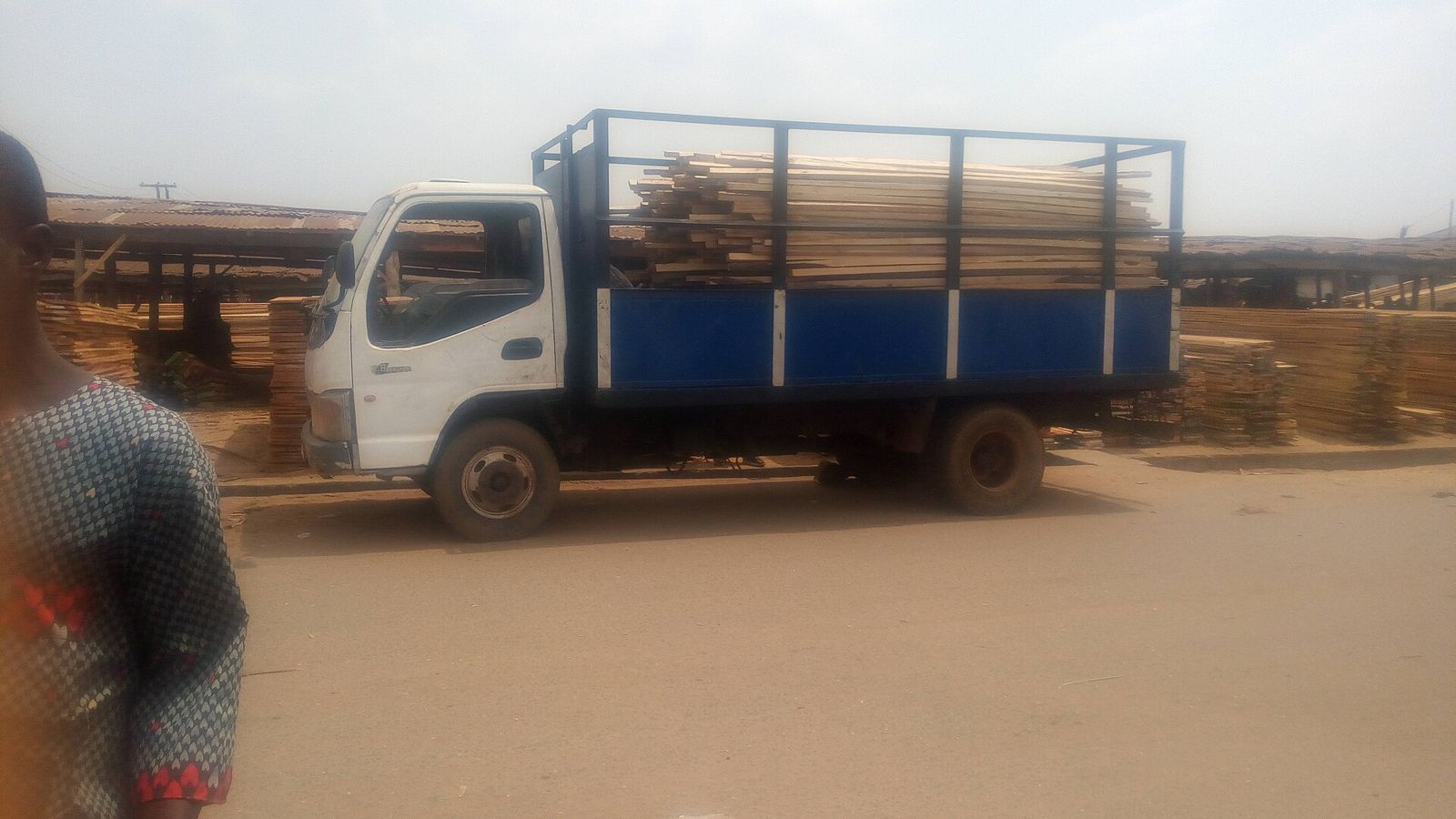
You are on a long road with a full household load, the steering goes soft, and you pull over to find the spare is flat or the jack is missing. The customer is waiting, the load is on the truck and the next job is in danger. A good roadside kit costs little next to that.
This guide is a checklist for drivers. Check it once a week, and again before any long trip.
The spare tyre comes first
Having a spare is not enough. Check three things.
- Pressure. A spare that has sat for months is often soft. Check it with your gauge each week.
- Condition. Look for cracks in the sidewall and old rubber.
- Fit. Make sure it matches the wheel and can really be mounted on the vehicle you are driving.
Know where the spare is stored and how to lower it. Some trucks keep it under the body, and rust makes the winch stubborn. Test it when the truck is empty, not on the highway.
Jack, spanner and blocks
A jack that lifts a small car will not always lift a loaded truck. Use the jack made for your vehicle and follow the manufacturer's guidance on lifting points and capacity.
Carry:
- the jack and its handle
- a wheel spanner that actually fits your wheel nuts, with a strong pipe to extend the handle
- two wheel chocks or strong wooden blocks, so the truck cannot roll
- a flat board to put under the jack on soft ground
Our guide on loading on a slope or soft ground explains why the ground under the jack matters.
Small tools that save the day
You do not need a full workshop. Keep a small box with a pair of pliers, a set of spanners, a screwdriver, a roll of electrical tape, a few cable ties, a length of strong rope and a torch with spare batteries. Add a tyre pressure gauge and a small pump or compressor if you have one.
Put in a few spare fuses and bulbs for your vehicle, plus a warning triangle or something bright to set behind the truck.
Check the kit like you check the truck
Once a week, empty the box on the ground and look at every item. Rope goes brittle in the sun, batteries leak and torches fail when you need them most. Replace what is worn straight away, and put each thing back in the same place so you can find it in the dark.
If you drive in the rainy season, add a plastic sheet to kneel on and a pair of gloves. A roadside repair in the mud is miserable enough without cold, wet hands.
Drive with Sphere
Turn your truck or van into steady income
Accept move requests in Lagos, Abuja and Ibadan on your own schedule. Free to join, and you keep 90% of every job.
Fluids and papers
Carry engine oil, coolant and water in labelled containers, and keep them away from the load. Also keep your licence, vehicle papers and phone charger within reach, not buried under the cargo.
When a flat happens with a load on
Pull over on firm, level ground, away from traffic, and switch on your hazards. Chock the wheels, loosen the nuts before you jack, then lift and change. Tighten the nuts in a criss-cross order and check them again after a short drive.
Tell the customer what has happened as soon as it is safe. A quick call is better than silence. If the load is at risk, our guide on what to do when a truck breaks down with a customer's load on board covers the next steps.
Make it part of the morning routine
The kit belongs in your morning walk-round. Our post on checking your truck before a bulk move is the place to add it.
How to do this on Sphere
Drivers who take bulk moves on Sphere are usually on the road for hours, so reliability matters. Get approved with your documents first through the driver page, then keep your kit ready so you can accept longer jobs with confidence. When you send a counter-offer, allow for the time a delay could cost.
Frequently asked questions
Is a spare tyre enough for a loaded truck?
Only if it is in good condition, has the right pressure and fits your vehicle. Check it every week.
What size jack do I need?
Use the jack designed for your vehicle and follow the manufacturer's guidance on capacity and lifting points.
Should I carry tools for engine repairs?
Basic tools are enough for most roadside problems. For anything serious, call a mechanic.
Why carry wheel chocks?
They stop the truck rolling while it is jacked up, which matters more when the vehicle is loaded.
What should I do if the load is at risk?
Make the vehicle safe, call the customer and agree the next step. Do not leave the load unattended.
Start driving
Turn your truck or van into steady income
Accept move requests in Lagos, Abuja and Ibadan on your own schedule. Free to join, and you keep 90% of every job.
Get New Guides
Join Sphere's logistics insights list
New guides on moving homes, offices and business goods, sent to your inbox.