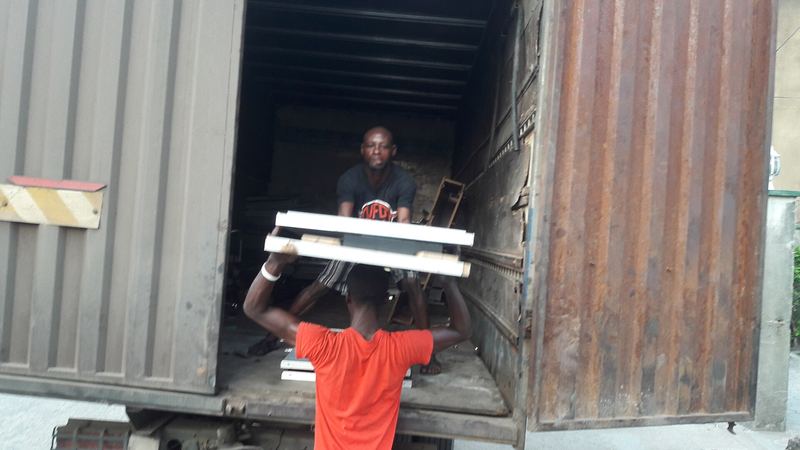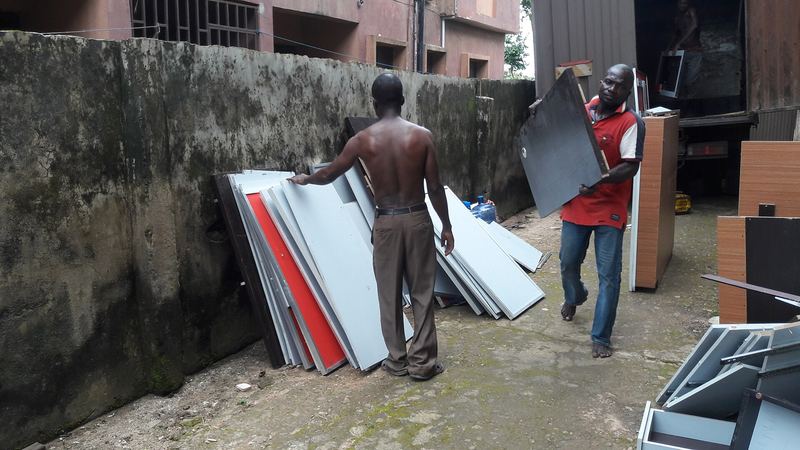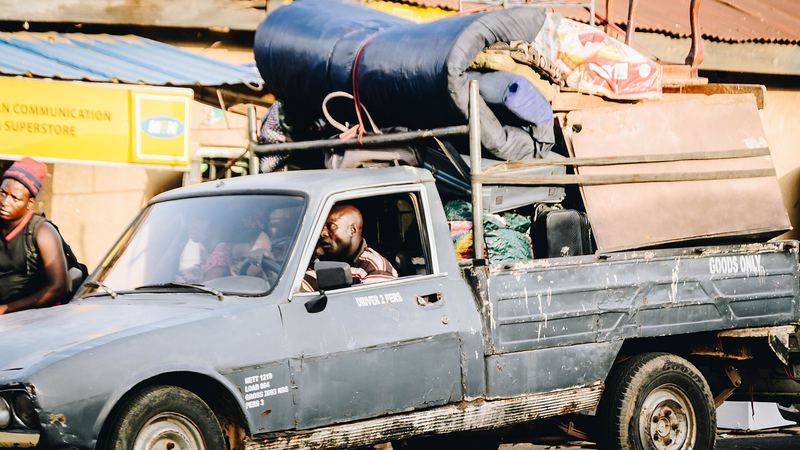
The new shop has the keys ready, the old landlord wants the place empty by Saturday, and you still have forty Ankara bundles, three industrial machines, a rail of finished owambe outfits and two mannequins that will lose a hand if anyone looks at them wrongly. A boutique or tailoring shop looks light until you start counting what is in it.
The good news is that most of the stock is soft and forgiving. The things that break are few and expensive, so plan around those.
Sort the shop into three piles
Before anything goes into a vehicle, split the contents:
- Hard and heavy: sewing machines, overlockers, pressing irons, cutting tables, racks, shelves.
- Soft and clean: fabric, finished clothes, lace, accessories.
- Fragile or awkward: mannequins, mirrors, display glass, lights, signboards.
Each pile travels differently, and mixing them is how a heavy machine ends up on top of a client's wedding aso ebi.
Finished clothes and client orders come first
Client orders are the one thing you cannot replace by buying more stock. Move them in your own care if you can, or load them last so they come off first.
Hang finished outfits on a rail if the vehicle has room, or fold them with tissue between layers and put each client's order in its own clean bag with the name written on it. Keep a list of what you packed. A missing blouse the day before an event is a very long afternoon.
Fabric: keep it clean and dry
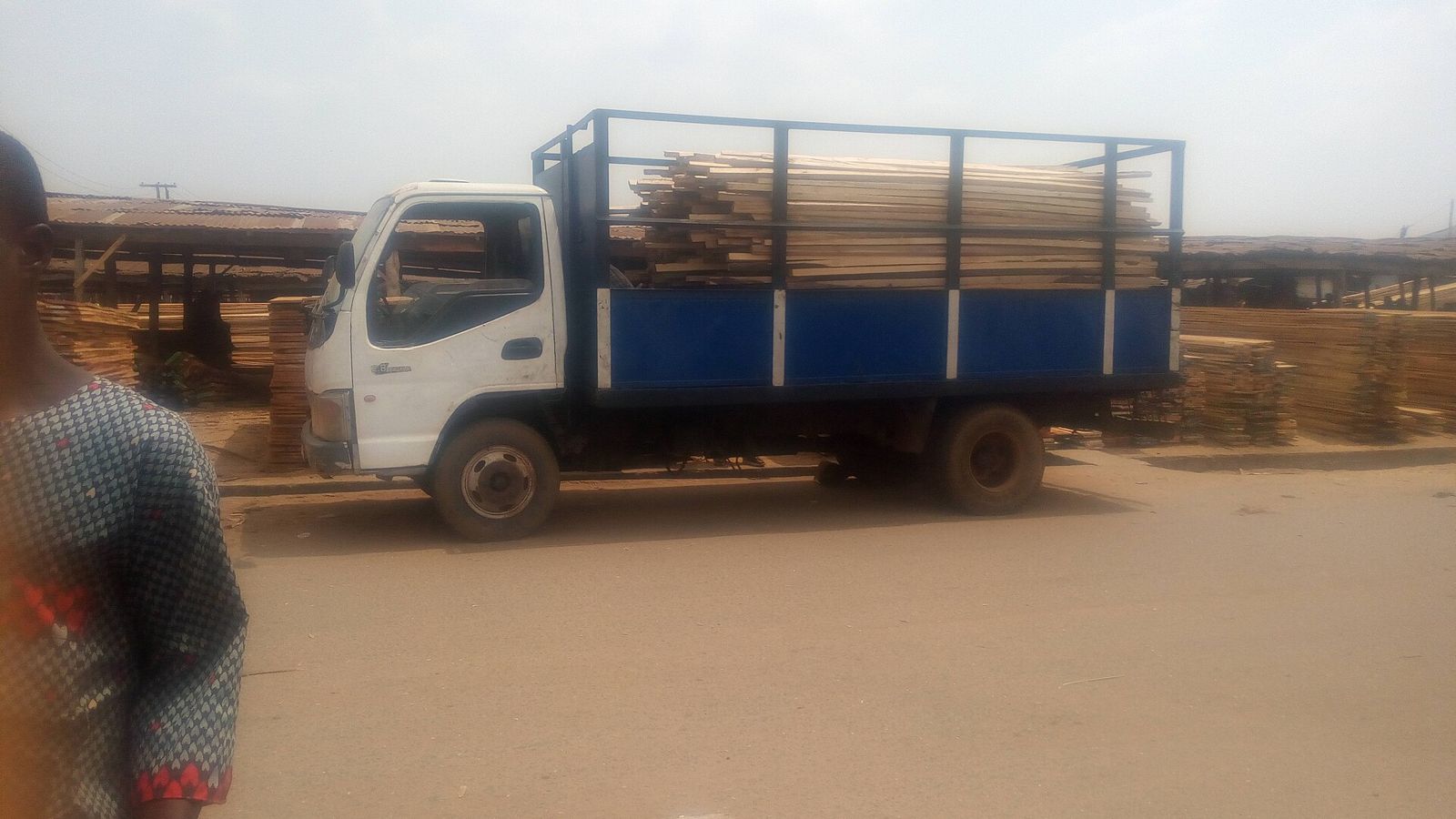
Roll or fold fabric flat, wrap bundles in cellophane or clean nylon, and keep the bundles off the floor of the vehicle. Dust and diesel smell are the usual enemies, and in the rainy season, water. Close the tailgate properly and ask the driver whether the load will be covered.
Do not stack heavy items on lace, silk or beaded pieces. Put them in a box and keep the box on top.
Sewing machines: the heavy part
Industrial machines are heavy for their size and the head is the delicate bit. Follow the machine maker's guidance on moving, but these steps are widely sensible:
- Unplug it and take off belts, bobbins and loose attachments. Put them in a labelled bag.
- If the head lifts off the table or stand, remove it so that the weight is split.
- Lock the moving parts if there is a way to do it, and wrap the machine in a blanket or foam.
- Lift with two people, from the base and not from the handwheel or the arm.
- Strap the machine upright, never on its side, and keep oil and thread away from clothes.
Domestic machines are lighter, but they still go in their cases or in a box with padding.
Ready to move?
Request a truck or van on Sphere
Choose your vehicle, propose your price, and verified drivers in Lagos, Abuja and Ibadan accept or send a counter-offer.
Racks, mannequins and mirrors
Take down clothing rails and shelves where you can and keep the screws in a bag taped to the frame. Wrap mannequins in cloth, remove arms and heads if they come off, and put them in the vehicle standing or lying on padding with nothing heavy on top.
Mirrors go on their edge, wrapped, against a solid wall of the load area, and never flat under other items.
Choose the right vehicle
A small boutique with a few racks and boxes often fits a pickup van. A tailoring shop with several machines, a cutting table and bulk fabric usually does better with a truck, or two trips. If the new shop is up a flight of stairs, say so. Agree loading and offloading help with the driver before you accept an offer, and bring your own people for the machines.
For related planning, read the salon and barbershop move guide and look at business moves in Lagos and van hire in Lagos.
How to do this on Sphere
- Open the Sphere app and pick a pickup van or a truck.
- Add the old shop and the new shop as pickup and drop-off.
- Describe the load: number of machines, rails, fabric bundles, mannequins, and any stairs.
- Propose your price. Nearby verified drivers accept it or send a counter-offer.
- Confirm loading help in the chat, then choose the offer that suits you.
Frequently asked questions
Can a pickup van carry a tailoring shop?
A small shop with one or two machines and some fabric often fits a pickup van. Several industrial machines, a cutting table and bulk fabric usually need a truck or more than one trip.
How should I pack finished client outfits?
Hang them on a rail or fold with tissue, then bag each client's order separately and label it. Load these last so they come off first.
Should sewing machines travel on their side?
No. Keep them upright, wrapped and strapped, and follow the manufacturer's guidance for the particular model.
Will the driver help carry machines and racks?
Not by default. Agree loading and offloading help before you accept an offer, and bring enough hands for heavy machines.
How do I know what the move will cost?
You propose a price in the app and drivers accept or counter. Distance, vehicle, how much you are moving, stairs and timing all affect it.
Request your move
Request a truck or van on Sphere
Choose your vehicle, propose your price, and verified drivers in Lagos, Abuja and Ibadan accept or send a counter-offer.
Get New Guides
Join Sphere's logistics insights list
New guides on moving homes, offices and business goods, sent to your inbox.